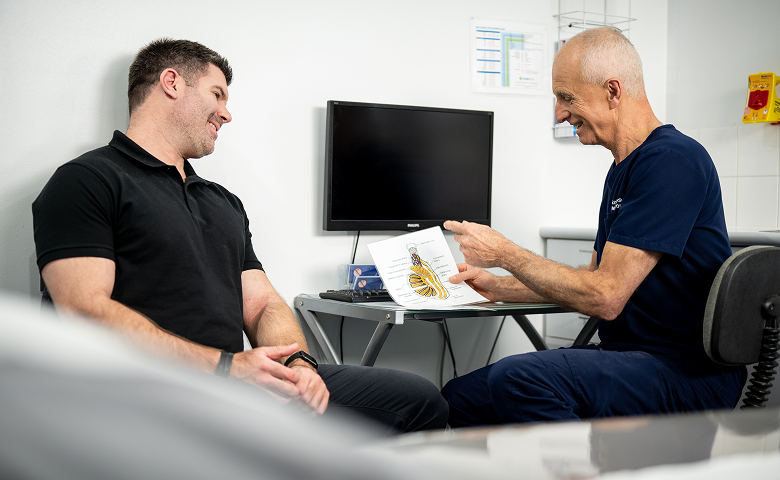

The vasectomy surgical procedure is one of the most effective forms of permanent birth control for men, and it’s probably a lot simpler than you think. If you’re done with condoms, tired of hormonal contraceptives causing chaos for your partner, or just ready to take control of your future, this step-by-step guide breaks it all down, no fluff, no awkward doctor-speak, just the facts.
What Is the Vasectomy Surgical Procedure?
A vasectomy procedure is a quick, safe, and highly effective method of permanent birth control for men. At Dr Snip, we use an innovative no-scalpel, microkeyhole technique that skips the stitches, the general anaesthetic, and the fuss. You’ll walk in, walk out, and be back to your regular routine before you know it.
Here’s what makes the Dr Snip method different:
- No scalpel: Instead of making an incision, our doctors just make a tiny puncture.
- Microkeyhole technique: This allows access to the vas deferens (the tubes that carry sperm) with minimal trauma.
- Local anaesthetic only: You’ll be awake, but comfortable – and you can even drive yourself home afterwards!
- No stitches needed: Less downtime, faster recovery.
You’ll be in and out in about 15 to 20 minutes. It’s so straightforward that most men say the awkward part is figuring out which side of the surgical robe is the front.
What to Expect Before, During, and After Your Vasectomy Surgical Procedure
Before: You’ll have a consultation where we’ll talk you through the process, answer your questions, and make sure a vasectomy is the right choice for you. There’s also some paperwork, and we ask that you shave the morning of your appointment, to keep everything clean and tidy.
During the procedure, things move quickly. The whole thing usually takes just 15 minutes, and you’ll be relieved to know there are no injections into the penis or testes. Instead, a fine needle is used to numb the vas deferens (the tubes that carry sperm) with local anaesthetic. Once that’s done, a tiny opening, only 2-4mm, is made in the centre of the scrotum.
From there, the vasa is gently located and drawn out through the same small opening, one at a time. The vas is then divided. The upper end is sealed with mucosal cautery, and a tissue barrier is placed (this is called fascial interposition), using a dissolvable thread or a tiny clip. The lower end is left open, which helps reduce pressure and post-op discomfort.
After your vasectomy procedure, you’ll be resting up and taking it easy. Because the procedure doesn’t involve cutting through layers of tissue or using general anaesthetic, recovery tends to be quick and relatively straightforward.
The Benefits and Upsides of the Vasectomy Surgical Procedure
Getting a vasectomy is a big decision, but it comes with some serious upsides:
- It works: Vasectomies are the most reliable method of birth control, more than 99% effective once sperm has cleared out of the system.
- It’s low-maintenance: No need to remember pills, patches, or appointments.
- It’s one-and-done: For most men, it’s a permanent solution to contraception.
- Zero hormones: Unlike many female contraceptives, vasectomies don’t involve hormones, so no side effects like mood swings, weight gain, or acne.
- It’s cheaper in the long run: Our procedures are Medicare-subsidised, and you’ll save money you’d otherwise be throwing away on condoms, pills, etc.
And yes, you’ll still be able to enjoy sex just as much once the worry of unexpected pregnancies is off the table – there’s even been studies that say your sex life will improve!
Vasectomies vs Other Birth Control Methods: Which Is the Best Choice for You?
Let’s compare:
- Condoms: Great for preventing STIs, but not exactly fun to fumble with in the dark. They also break, slip, or run out.
- Hormonal birth control (for partners): Effective, but often comes with unwanted side effects like headaches, mood changes, or decreased libido.
- IUDs and implants (for partners): Long-term solutions, but invasive, and not without their own set of challenges.
- Vasectomy: One-time procedure, no hormones, no ongoing cost, no messing around.
Recovery Tips After Your Vasectomy Procedure
Recovery is usually smooth sailing, especially with our microkeyhole method. Here’s how to make it even easier:
- Rest up: Take it easy for a day or two.
- Ice is your friend: A cold pack helps reduce swelling and discomfort.
- Avoid heavy lifting or sport: Give your body a few days to heal before hitting the gym or chasing toddlers around.
- Wear supportive underwear: Think of it as a hug for your bits.
Looking for an in-depth guide on how to make your recovery as smooth as possible? We’ve got you covered.
Remember, while you’ll be up and about quickly, you’re not in the clear sperm-wise until a follow-up semen test confirms it!
More questions? Ready to book in? Get in touch with our team to discuss your vasectomy surgical procedure today.
FAQs
Is a vasectomy surgical procedure permanent?
Yes, it’s considered permanent. Reversal is possible in some cases, but it’s not guaranteed and is more complex than the original procedure. So, make sure you’re 100% ready before snipping.
How long does the vasectomy procedure take?
At Dr Snip, the entire procedure usually takes about 15 to 20 minutes. You’ll spend more time picking a podcast for the waiting room than you will in surgery.
Will I feel pain during or after the surgery?
Most men say the discomfort is mild, like a flick or pinch. Afterwards, you might feel a dull ache or tenderness for a few days, easily managed with over-the-counter pain relief and a good TV series.
What are the risks and side effects of a vasectomy?
Complications are rare, especially with our no-scalpel technique. That said, like any procedure, risks include bruising, infection, or swelling. If something doesn’t feel right, reach out to us.
When can I return to normal activities after a vasectomy?
You can usually return to desk work the next day. More physical jobs or intense exercise might need a few days’ rest. Sex? Once you’re comfortable, usually a week post-op, but remember, you’re not ‘clear’ until your follow-up semen analysis confirms it.